
The Real Business Cost of Making Decisions Without Data
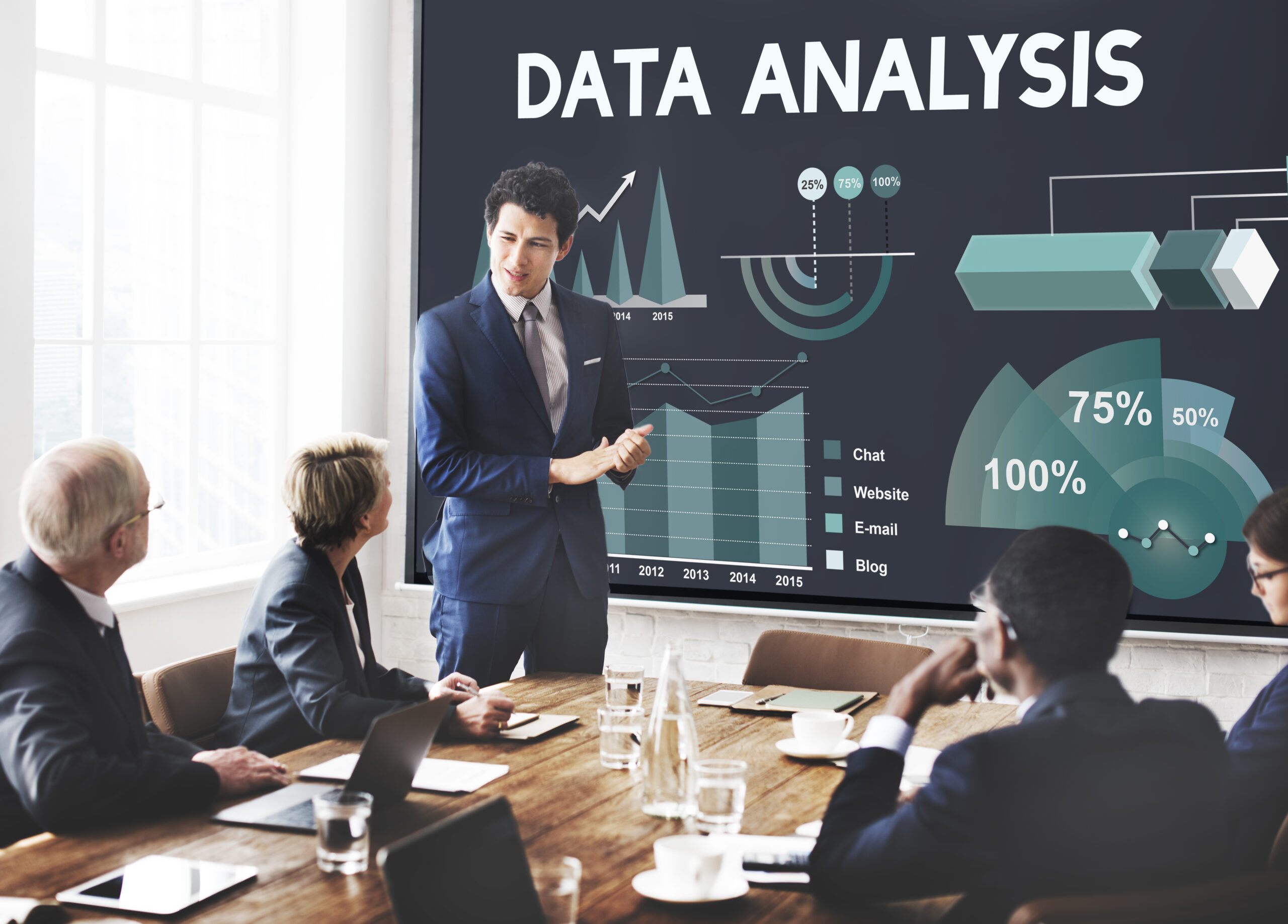
Making business decisions without reliable data analytics solutions often feels faster in the short term. However, over time, it leads to higher costs, slower growth, and avoidable risks. In today’s competitive environment, data-driven decisions are no longer optional—they are essential for long-term business stability.
The Hidden Cost of Guesswork in Business Decisions
Many organizations still rely on intuition, experience, or outdated reports when making key decisions. While this approach may work occasionally, it creates hidden costs that are difficult to measure immediately but damaging over time.
When decisions are based on assumptions instead of data, businesses face:
- Inconsistent outcomes
- Repeated mistakes
- Delayed responses to market changes
These issues compound as the organization grows.
How Poor Data Visibility Impacts Revenue
Without proper data analytics services, revenue forecasting becomes unreliable. Sales numbers may look promising on paper, but gaps in reporting often hide underlying problems such as declining conversion rates or rising customer acquisition costs.
As a result:
- Revenue targets are missed
- Marketing budgets are misallocated
- Growth plans become reactive rather than strategic
Clear data visibility allows leaders to understand what is driving revenue and what is quietly draining it.
Decision Delays Cost More Than You Think
When data lives in multiple tools, teams spend valuable time debating numbers instead of acting on insights. Conflicting reports slow down approvals and create friction across departments.
This leads to:
- Slower decision-making cycles
- Missed opportunities
- Reduced operational efficiency
Businesses using structured data analytics consulting experience faster decisions because leaders trust the data they see.
The Risk of Strategic Misalignment
One of the biggest costs of operating without data is misalignment across teams. Finance, marketing, operations, and leadership often work with different versions of the truth.
Without a unified data view:
- Teams prioritize conflicting goals
- Performance reviews lack clarity
- Long-term strategies fail to execute properly
Reliable data analytics consulting services help create a single source of truth that keeps teams aligned.
Data vs. Guesswork: A Clear Comparison
| Without Data | With Data Analytics |
| Decisions based on assumptions | Decisions based on verified insights |
| Conflicting reports | Single source of truth |
| Slow approvals | Faster execution |
| Hidden financial risks | Predictable outcomes |
| Reactive planning | Proactive strategy |
This contrast explains why data-driven organizations consistently outperform those relying on intuition.
Why Data Analytics Changes Decision Quality
Data analytics does more than provide reports. It transforms raw information into insights that decision-makers can understand and act on.
With the right data analytics solutions, businesses can:
- Identify trends early
- Measure performance accurately
- Reduce uncertainty in planning
- Improve accountability at leadership levels
This leads to decisions based on evidence, not opinions.
Common Business Scenarios Where Data Matters Most
Data-driven decision-making is especially critical in areas such as:
- Budget planning and forecasting
- Marketing performance analysis
- Sales pipeline visibility
- Inventory and supply chain management
- Executive and team performance reviews
In these scenarios, even small data inaccuracies can lead to major financial impact.
How Data Analytics Reduces Business Risk
Data analytics reduces business risk by validating assumptions with real data. It helps leaders identify potential issues before they become costly problems.
Instead of reacting to failures, businesses can:
- Anticipate market changes
- Test strategies using historical data
- Adjust plans with confidence
This proactive approach protects both revenue and reputation.
FAQs
What happens when businesses make decisions without data?
Businesses face revenue loss, slower execution, team misalignment, and higher operational risk due to decisions based on assumptions rather than evidence.
How do data analytics services improve decision-making?
Data analytics services turn raw data into clear insights, helping leaders make faster, more accurate decisions with measurable outcomes.
Why is a single source of truth important?
A single source of truth eliminates conflicting reports and ensures all teams rely on the same data, improving alignment and execution.
How does data analytics reduce business risk?
It identifies trends early, validates assumptions, and enables informed planning, reducing uncertainty and costly mistakes.
When should a business consider data analytics consulting?
When decisions feel slow, reports conflict, or growth planning relies heavily on guesswork, data analytics consulting becomes essential.
Final Takeaway
The real cost of making decisions without data is not just financial—it affects speed, alignment, and long-term growth. Businesses that invest in structured data analytics services gain clarity, confidence, and control over their decisions.
In a data-driven world, the biggest risk is choosing to operate without reliable insights.